







Mezcal Guide
This post may contain affiliate links, please see our privacy policy for details.
If tequila is the life of the party, mezcal is the mysterious, cool one who shows up late in an amazing outfit. And yes, mezcal makes a phenomenal margarita. But more importantly? It’s one of the most complex, beautiful, culturally rich spirits in the world! And the more you understand it, the better it tastes.
Let Me Be Your Mezcal Tour Guide
What is Mezcal?
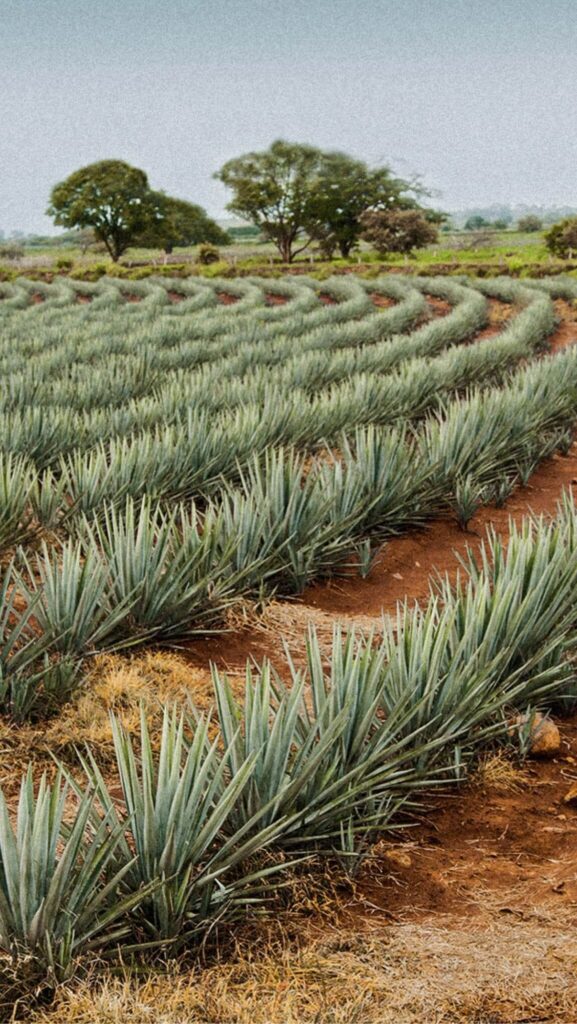
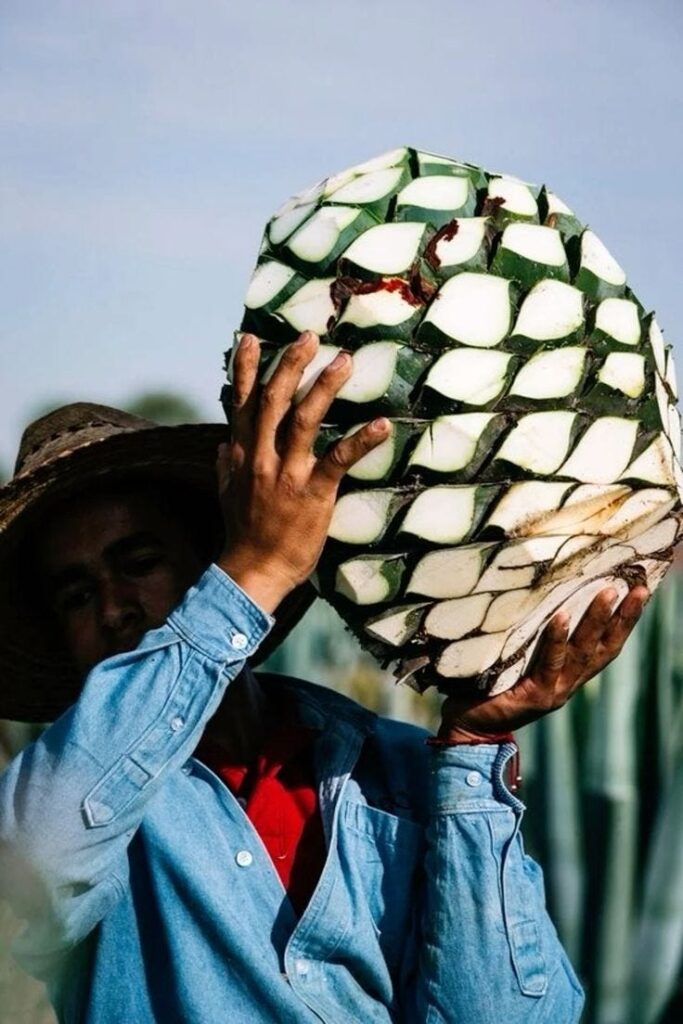
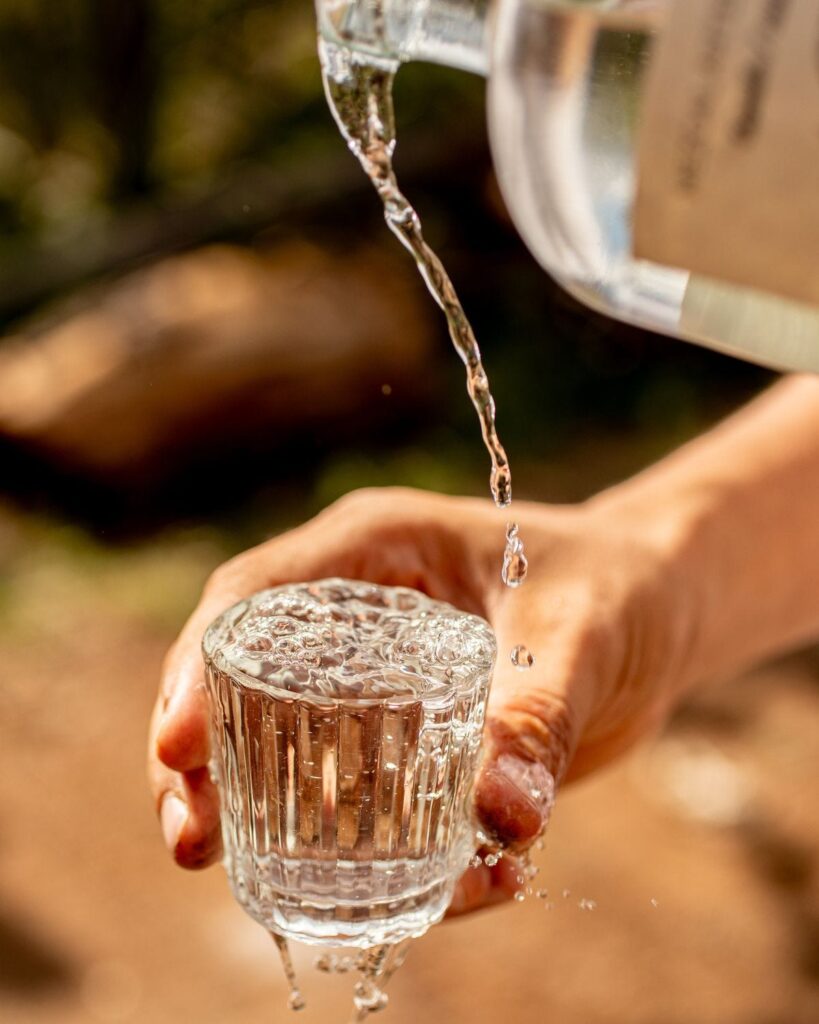
Mezcal is a Mexican spirit made from agave. But here’s the thing: All tequila is mezcal. But not all mezcal is tequila. Stay with me now… mezcal is the bigger category. Tequila is just one specific style made under stricter rules.
As one expert put it (more on them if you keep reading 👀):
“Mezcal is not smoky tequila. Please never say that.”
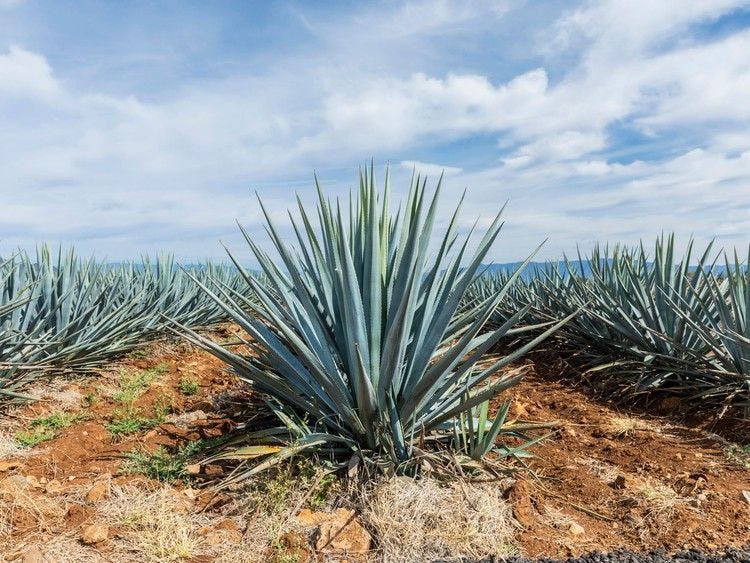
Correct. We don’t do that here. Mezcal has its own denomination of origin, its own regulations, its own regional identities. Tequila must use Blue Weber agave and is primarily produced in Jalisco, but mezcal can be made from 30+ varieties of agave across multiple Mexican states.
To give you another comparison, think of tequila as champagne, and mezcal as the entire world of sparkling wine. Making more sense now? But wait… there’s more.
How is Mezcal Made?
This is where mezcal becomes fascinating. You may notice some similarities to tequila, but I would say mezcal stays more true to tradition, where some tequila processes have become more industrialized.
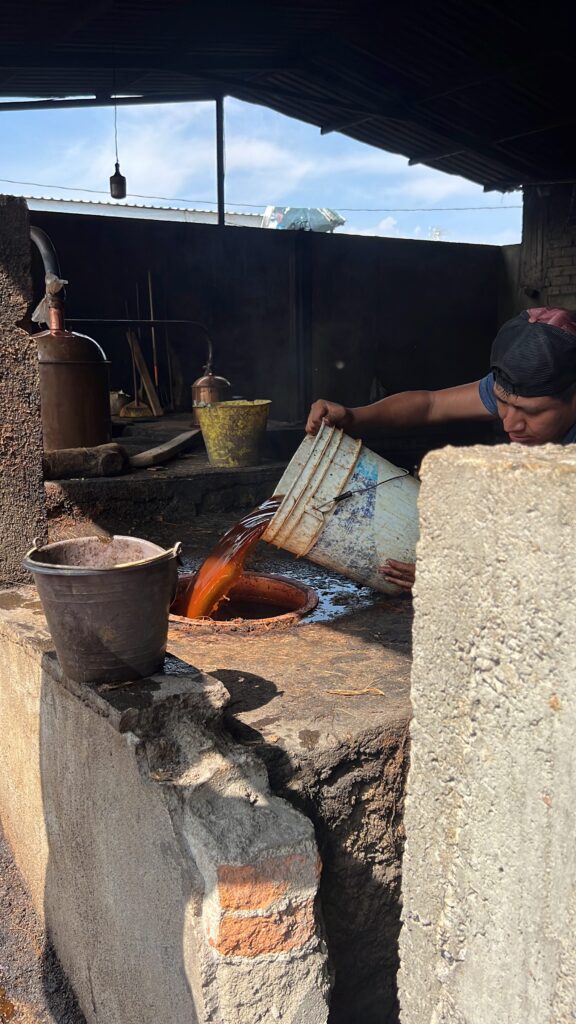
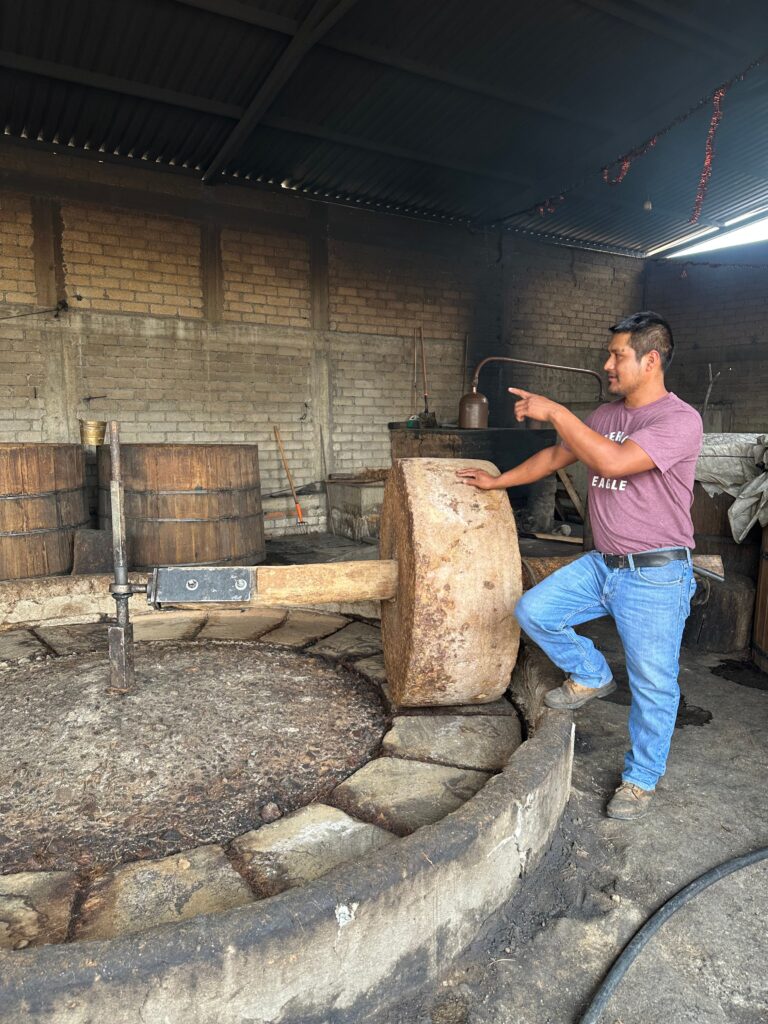
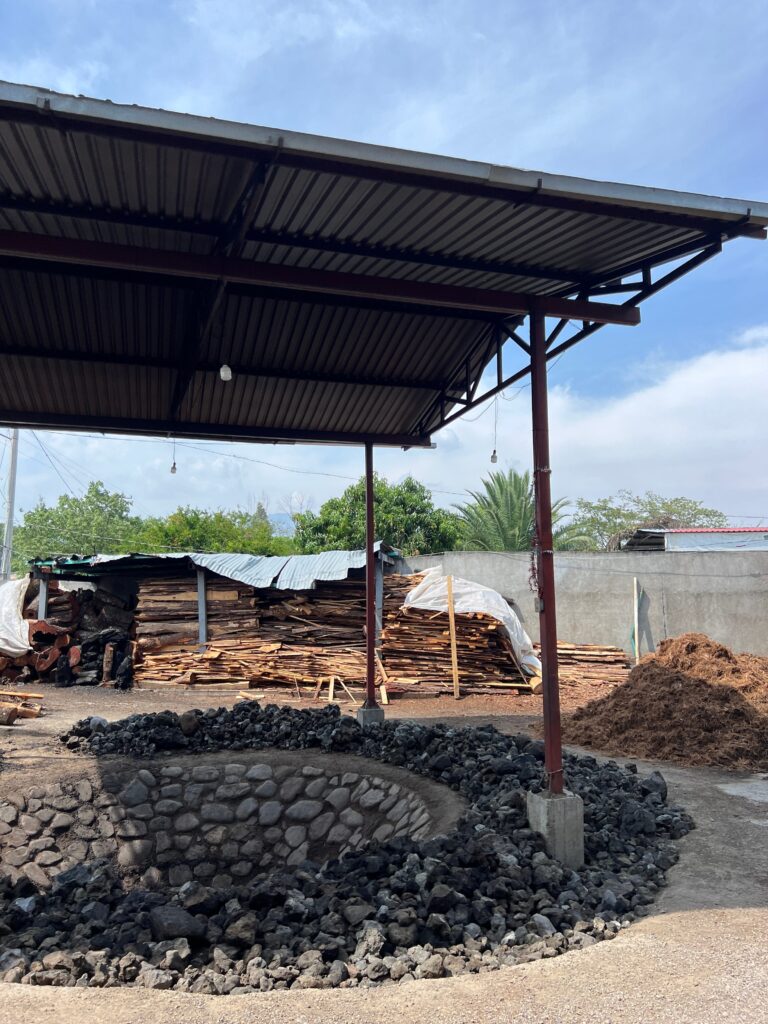
Step 1: Harvesting
Agave grows 7 to 25+ (!) years before harvest. Wild agaves take even longer. That’s why some bottles are rare and expensive.
Step 2: Cooking
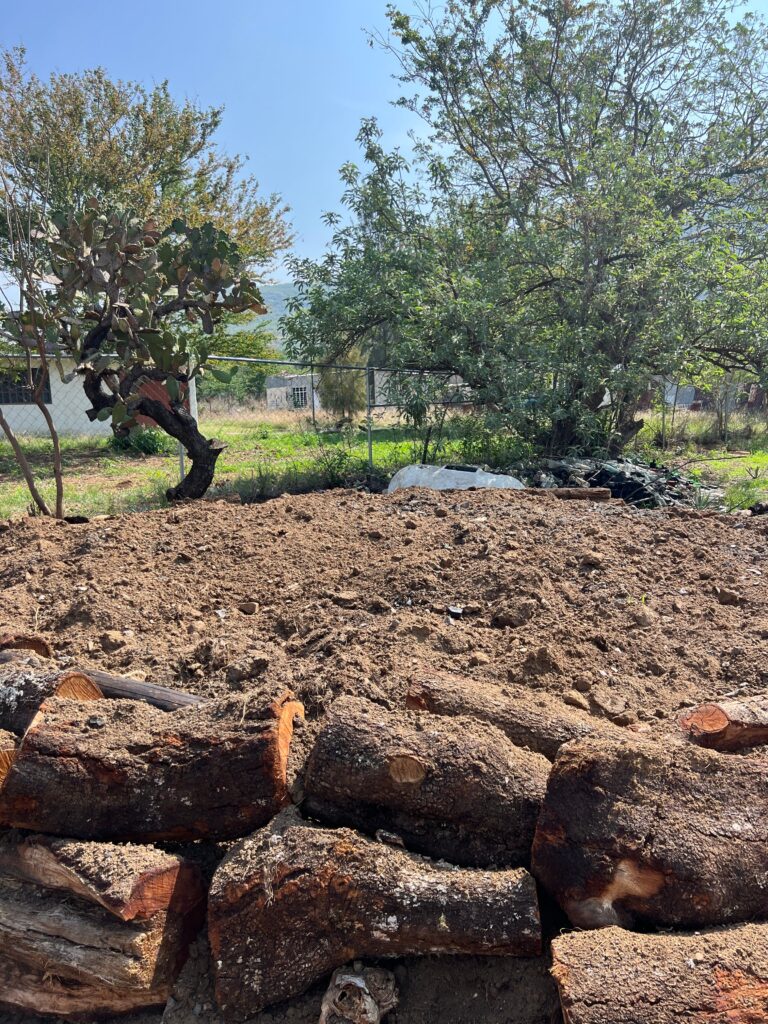
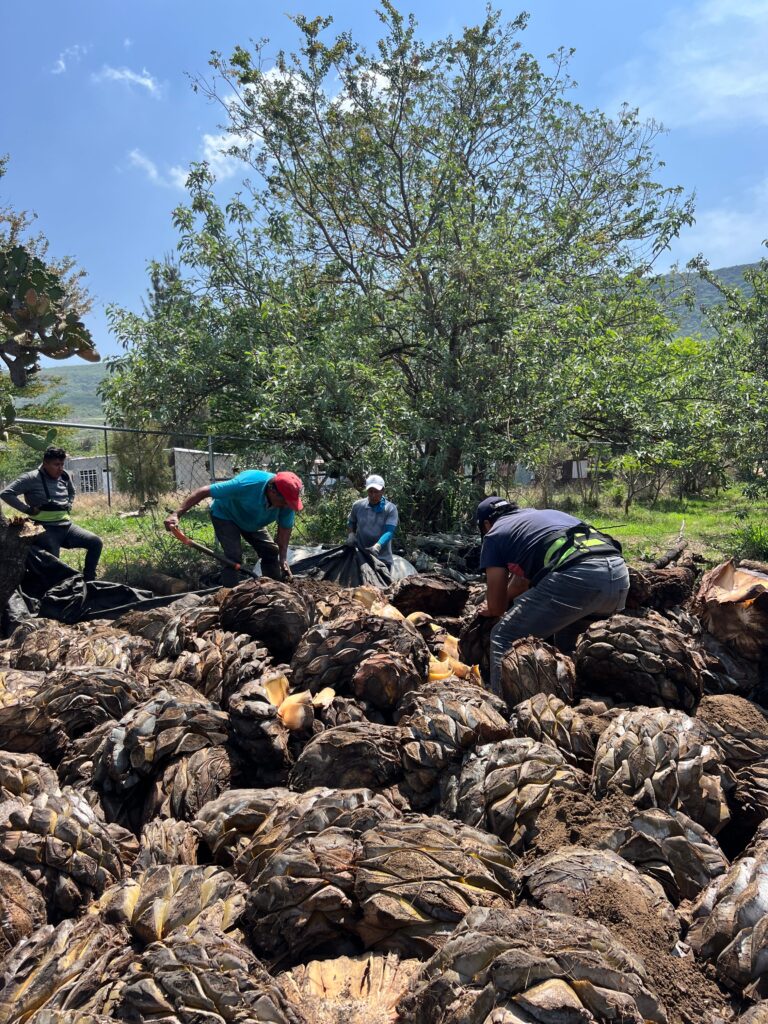
This is what makes mezcal what it is. There are many ways to cook the agave: underground pit ovens, wood fires, volcanic rock… you name it. This is what you’ll see the most of, as it’s the most traditional means for crafting mezcal. Some modern producers may use steam ovens or autoclaves to speed things up, but this can reduce the smoky intensity of the drink.
Step 3: Crushing
Traditionally, a tahona stone (pulled by a mule or tractor) or hand tools are used to crush the cooked agave.
Step 4: Fermentation
This step is crucial. Now we have our agave fibers, and we have to leave them to ferment. You can ferment the fibers in open-air wooden vats, natural yeast, stainless steel tanks, or even controlled yeast. The wild yeast fermentation creates more variation and complexity, but it can make it harder to maintain consistency between batches.
Step 5: Distillation
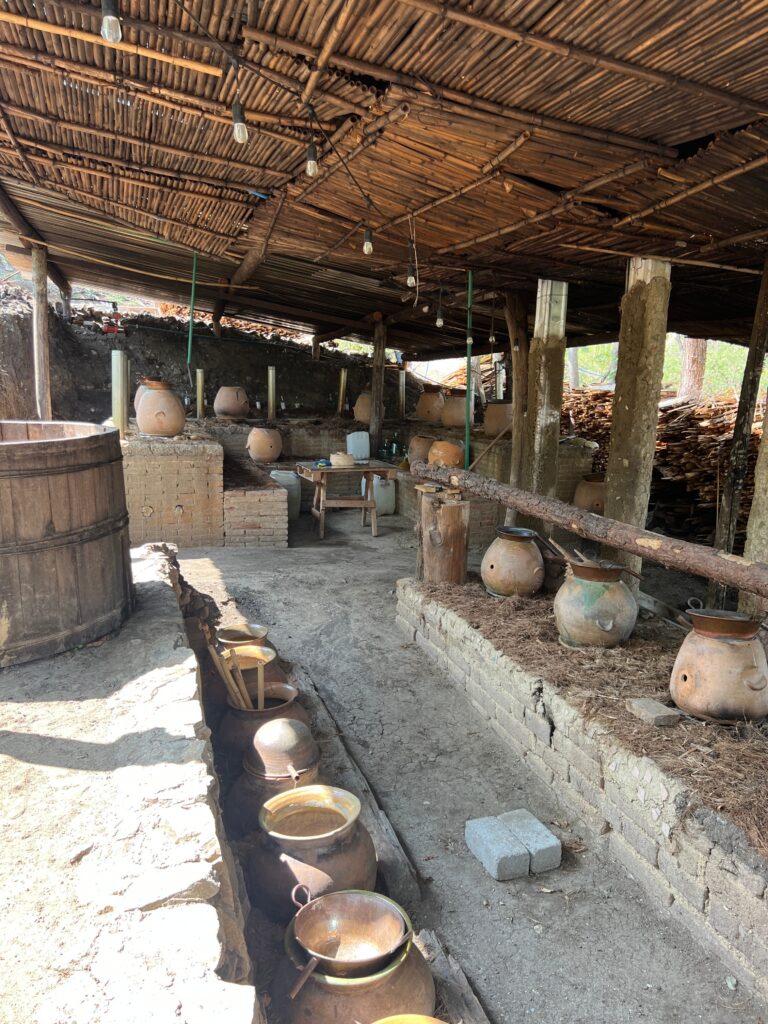
We distill twice. Producers can use stainless steel or modern copper for efficiency, but clay pot distillation is known for adding more earthy notes (that some people look for!)
Step 6: Aging
Optional, yet defining. Similar to tequila, aging is what determines the type of mezcal. Here’s your key:
- Joven: Unaged, very fresh agave expression (most mezcals)
- Reposado: Lightly aged
- Anejo: Longer aged
You’ll see Joven is the most popular, as the goal is to showcase the agave, and not oak.
Mezcal vs. Tequila
If you’ve made it this far and you’re still thinking, “Jules, I’m not totally getting the difference,” that’s okay! Let me simplify it.
- Must use Blue Weber agave
- Mostly produced in Jalisco
- Agave is steamed in ovens, creating a flavor that is typically clean, citrusy, or herbal
Mezcal:
- Can use 30+ varieties of agave (doesn’t have to be Blue Weber!)
- Mostly produced in Oaxaca, but can be produced in multiple states
- Agave is traditionally roasted in underground pits, creating a flavor that is more smoky, earthy, or mineral-heavy
So essentially, that underground roasting? That’s where the smoke comes from, and that’s what makes mezcal different.
Types of Mezcal
The agave roasts for days, it caramelizes, absorbs that smoke, and fully transforms. That smoke is what gives it that distinct flavor.
But here’s the surprise: not all of them are super smoky. Some bottles are floral, tropical, or herbal, but smoke is just one note in that magical symphony of flavors. Unlike tequila (which uses one agave type), mezcal can be made from many! Think of agave like grape varieties in wine. Here are a few of the most popular ones:
- Espadin: The most common. Balanced, lightly smoky, fruity. Great intro to mezcal if you’re scared. Excellent for cocktails.
- Tobala: Wild agave. Floral, tropical, complex. Smaller yields, so it comes at a higher price point (but worth it).
- Tepeztate: Herbal, earthy, sometimes funky and bold.
And you may have noticed that some mezcal brands have a worm in their bottles… It’s actually a moth larva, and it’s really just for marketing. It doesn’t do anything to the flavor, and it’s really more of a fun gimmick. When it comes to buying a bottle, always look for transparency over theatrics!
My Favorite Mezcals to Buy
I know some of you are here for the “just tell me what to buy” section. And, I got you. I’ve tasted a lot of brands, and these are the bottles I’ll always reach for:
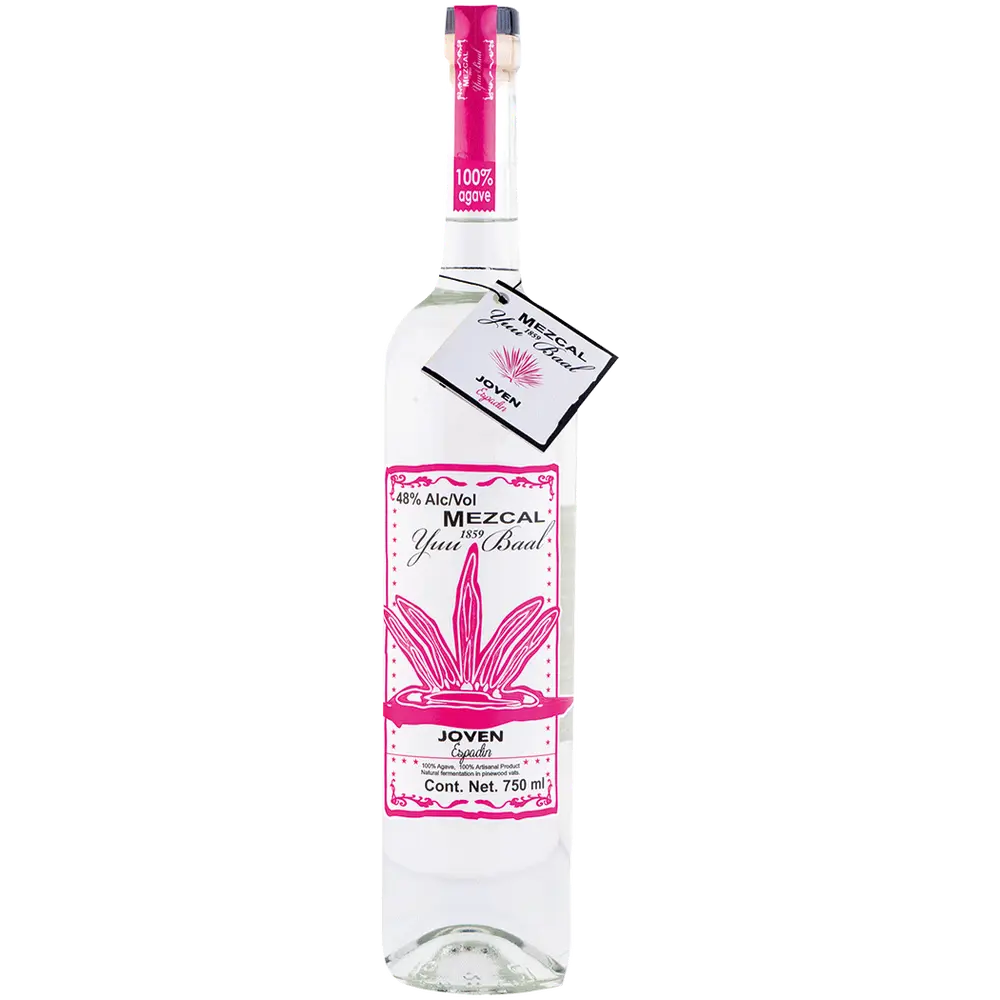
- Yuu Baal is bright, terroir-driven, and often highlights unique agave varieties, offering elegance, lift, and nuanced flavor from first sip to last.
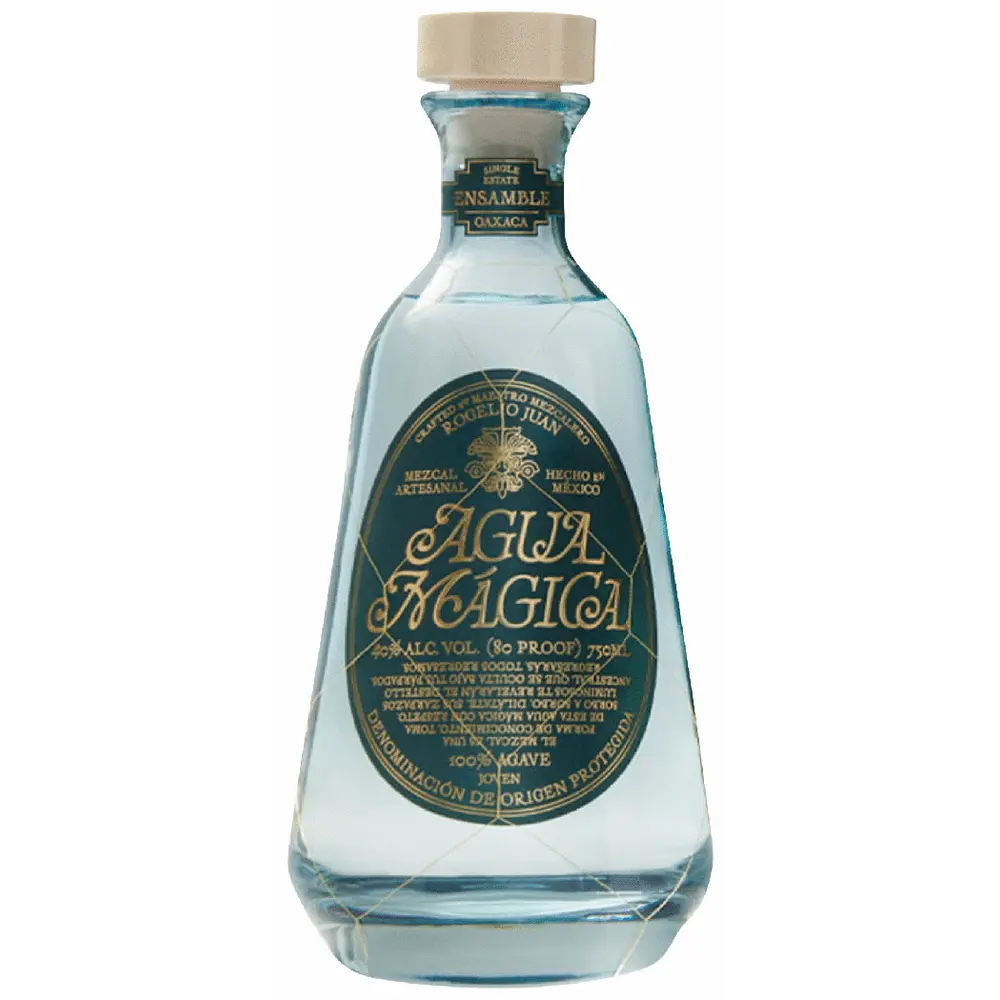
- Agua Magica is really balanced with bright citrus notes, making it incredibly approachable whether you’re sipping neat or mixing.
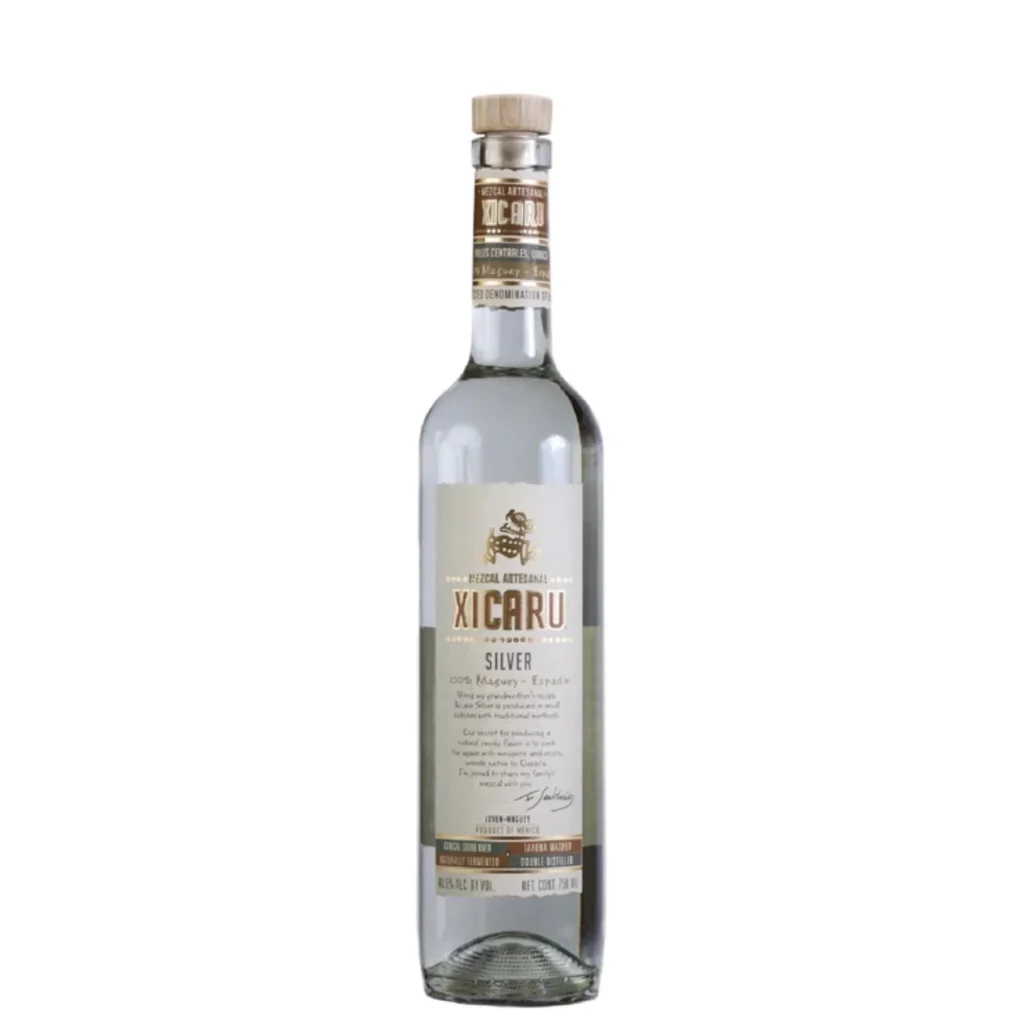
- Xicaru is earthy, herbal, and layered with real depth. It shows agave character and minerality in a way that feels grounded and expressive.
- Rey Campero is bold and beautifully traditional, with savory, vegetal complexity and a long, structured finish that mezcal lovers appreciate.
How to Store Mezcal
Don’t freeze your mezcal! Cold temperatures suppress the aroma and flavors. It’s like serving a great red wine ice-cold. Keep it at room temp always, without letting it get too warm.
How to Buy Mezcal
The big lesson here: read the label. If a producer takes the time to share the details like the agave variety, the village, the fermentation method… that transparency is usually a very good sign. Producers who are proud of their process tend to show it.
For my Tequila Guide, I reached out to a few of my favorite tequila specialists to gather their tricks and advice on shopping for tequila. Naturally, I had to do the same for this Mezcal Guide. These two know their agave!
Lucas Assis @thelucasassis
Lucas is based in Los Angeles and regularly travels to Mexico to work within the agave world.
When it comes to shopping for a bottle, he says, “mezcal is not expensive, it’s valuable.” And, as always, we start by reading the bottle thoroughly!
“Look at the bottle. It should tell you the municipality and state in Mexico where it’s made, what kind of agave is used, and the production methods used. The more information, the better. The most important thing for me though? The name of the people who made it. A brand that gives credit to the hands that made the product is usually a very good sign.”
Lucas’s favorite bottles:
- Salvadores
- 5 Sentidos
- Hacienda Oponguio
Ashly Levi @missagave
Ashly Levi is a Miami-based bartender who specializes in agave spirits. When it comes to shopping for mezcal, she compares it to shopping for wine.
“Picking out a mezcal is similar to how you may pick out a wine. You can go by Agave (such as Tobala, Cuishe, Espadin) or the Region (such as Oaxaca, Puebla, Durango). Choose a bottle that has more information on the label, like the details on the fermentation, the batch size, how old the agave was during harvest, the date of the harvest, and distillation. These are all key factors in what makes up that mezcal.”
Ashly’s favorite bottles:
- Derrumbes
- Rey Campero
- Real Minero
Best Mezcal Cocktail Recipes
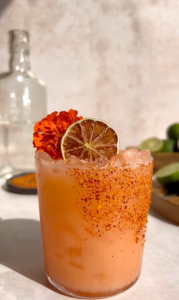
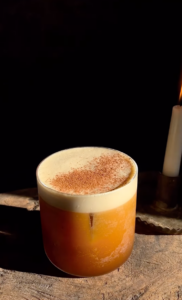
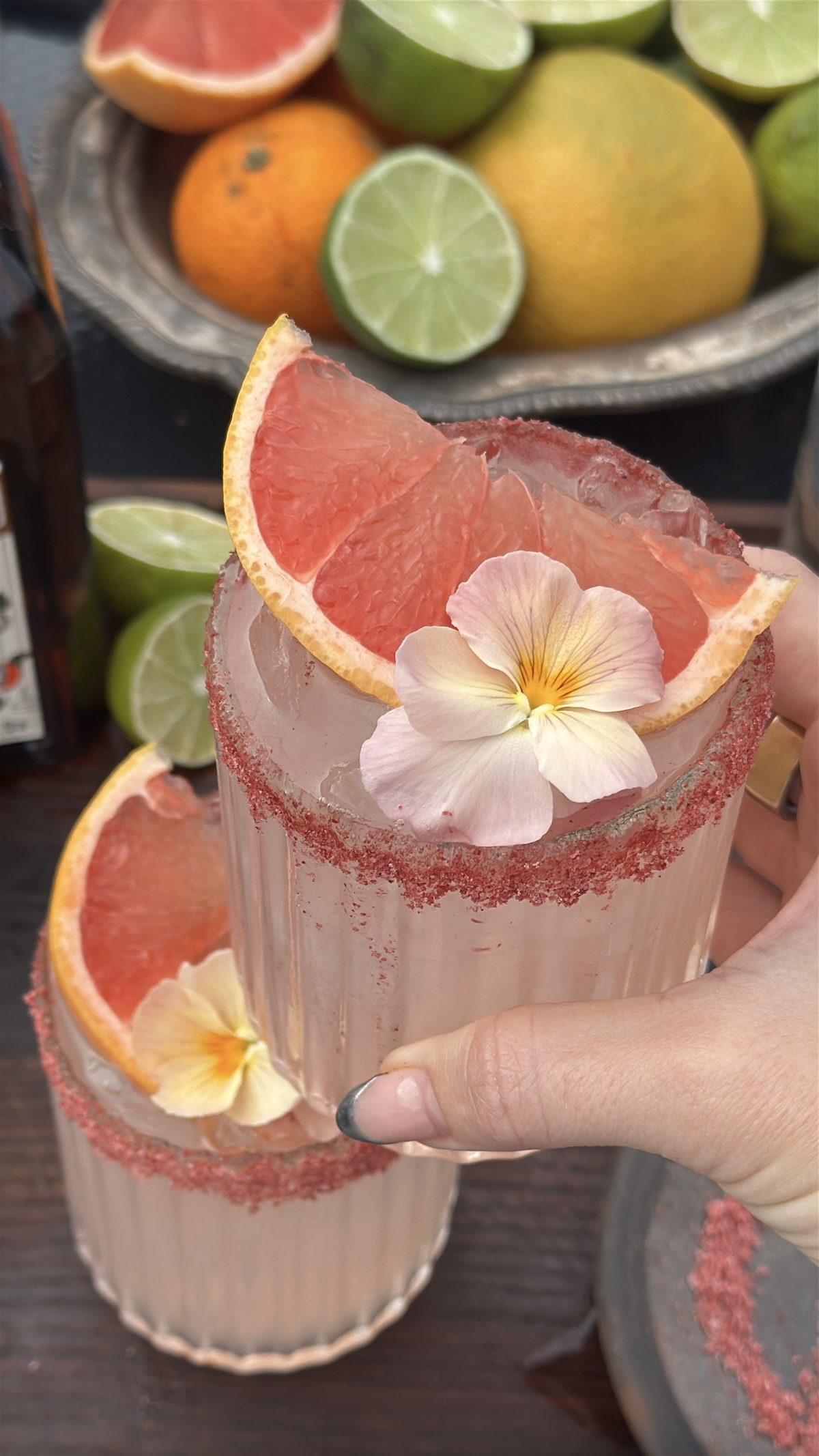
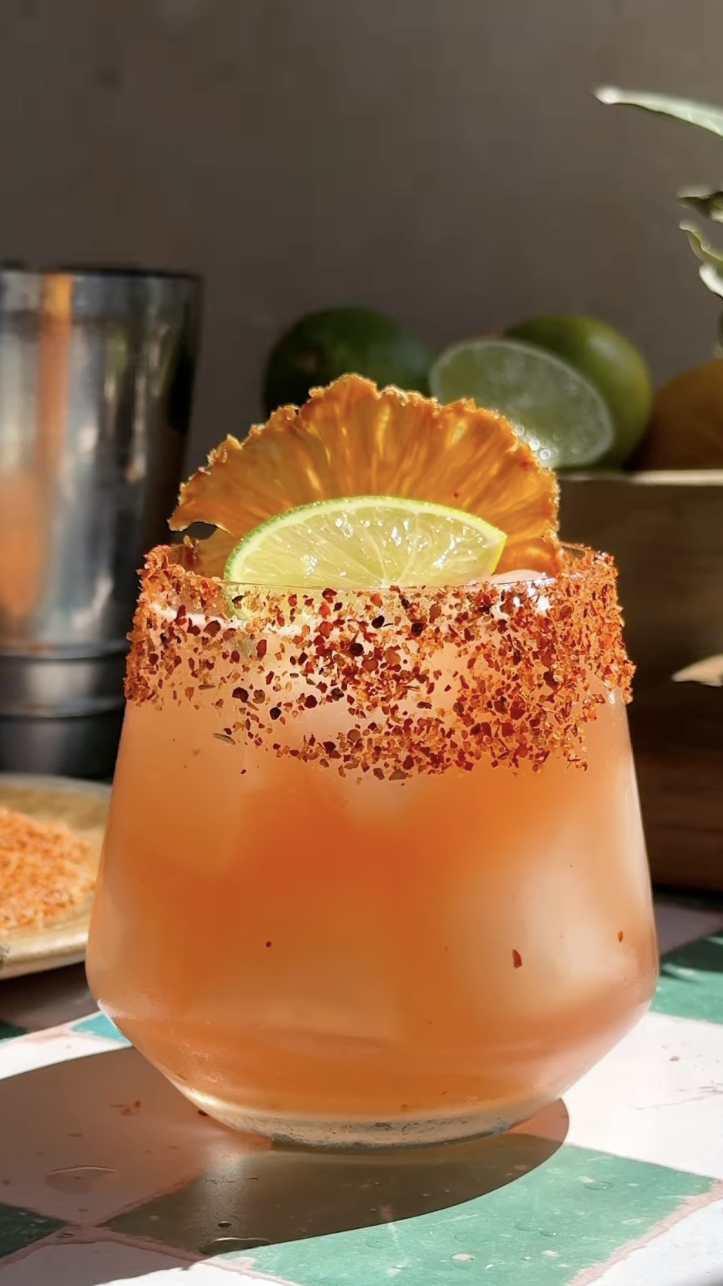
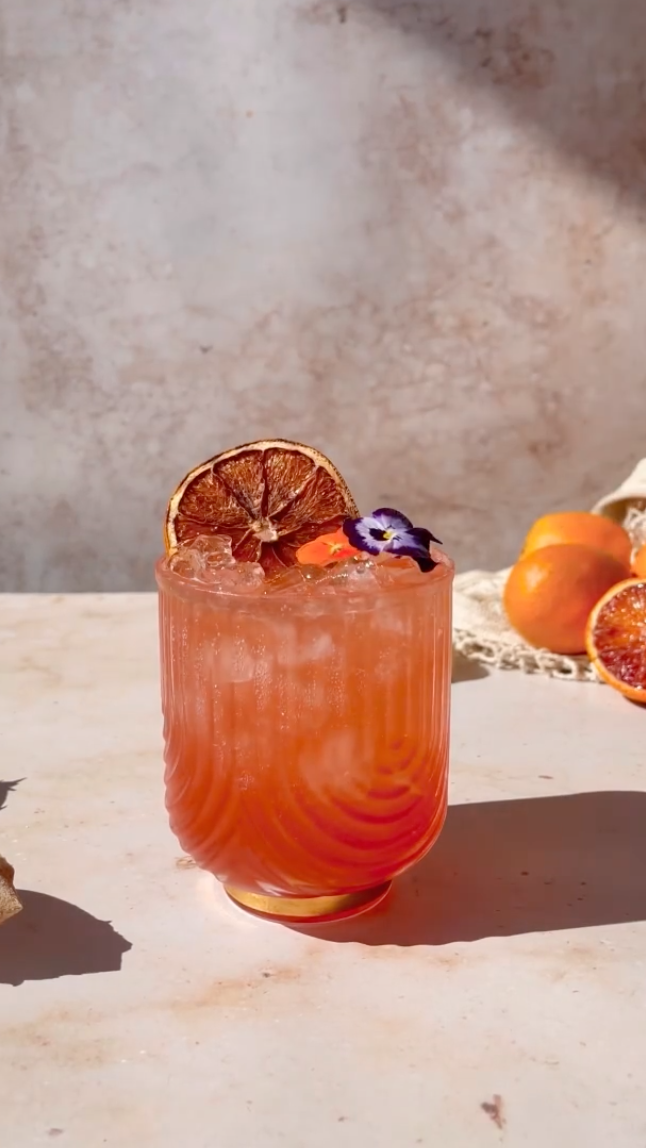
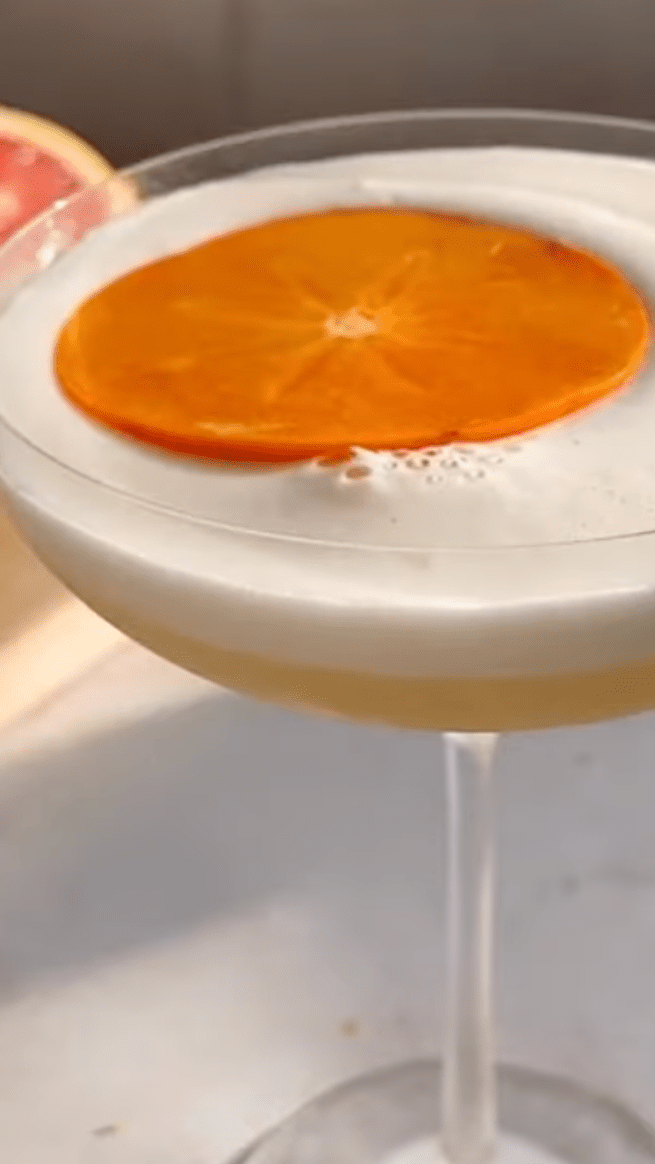
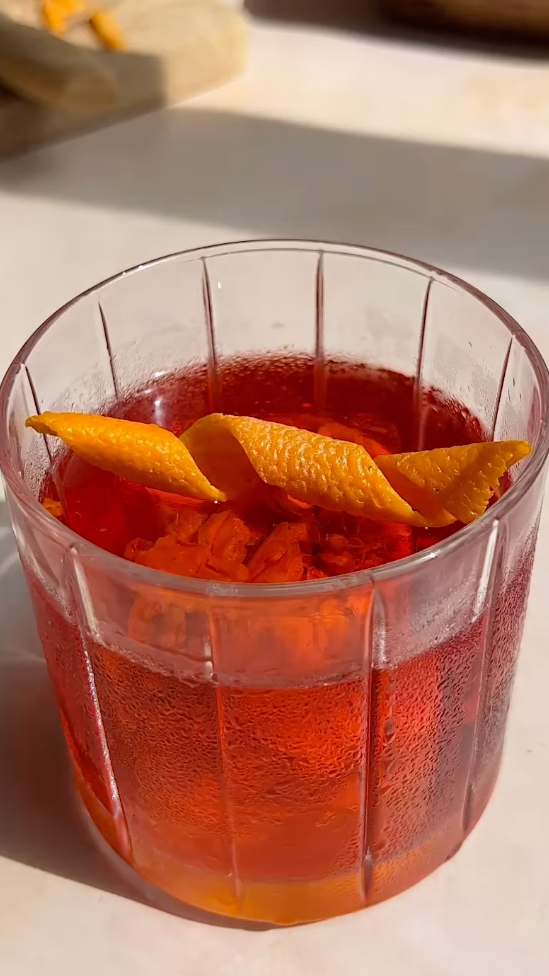
You really cannot go wrong by making a Classic Mezcalita. Otherwise, mezcal lovers tend to use it where others might use tequila, gin, or vodka. Here are six of my favorite unique mezcal cocktails.

You Might Also Like



Leave a comment