








Tequila Guide
This post may contain affiliate links, please see our privacy policy for details.
Welcome to your ultimate guide to tequila! It breaks down everything you need to know about this popular spirit, including how tequila is made, how to read a label, the bottles I personally love, and, of course, cocktail recipe inspiration.
Let Me Be Your Tequila Tour Guide
My Favorite Tequilas to Buy
I know that some of you are here because you just want me to tell you what to buy. Honestly? I respect that. Sometimes you just want a trusted list, so here you have it. These tequilas are my favorites to buy for myself for sipping and making cocktails, but many of them also make amazing gifts for those margarita lovers in your life.
Here are a few more general buying tips based on what you want to use it for: For cocktails? Blanco or Reposado. For sipping? Anejo or Extra Anejo. Lastly, don’t judge a tequila by the price alone. Some affordable bottles outperform hyped luxury labels (*cough* Don Julio 1942).
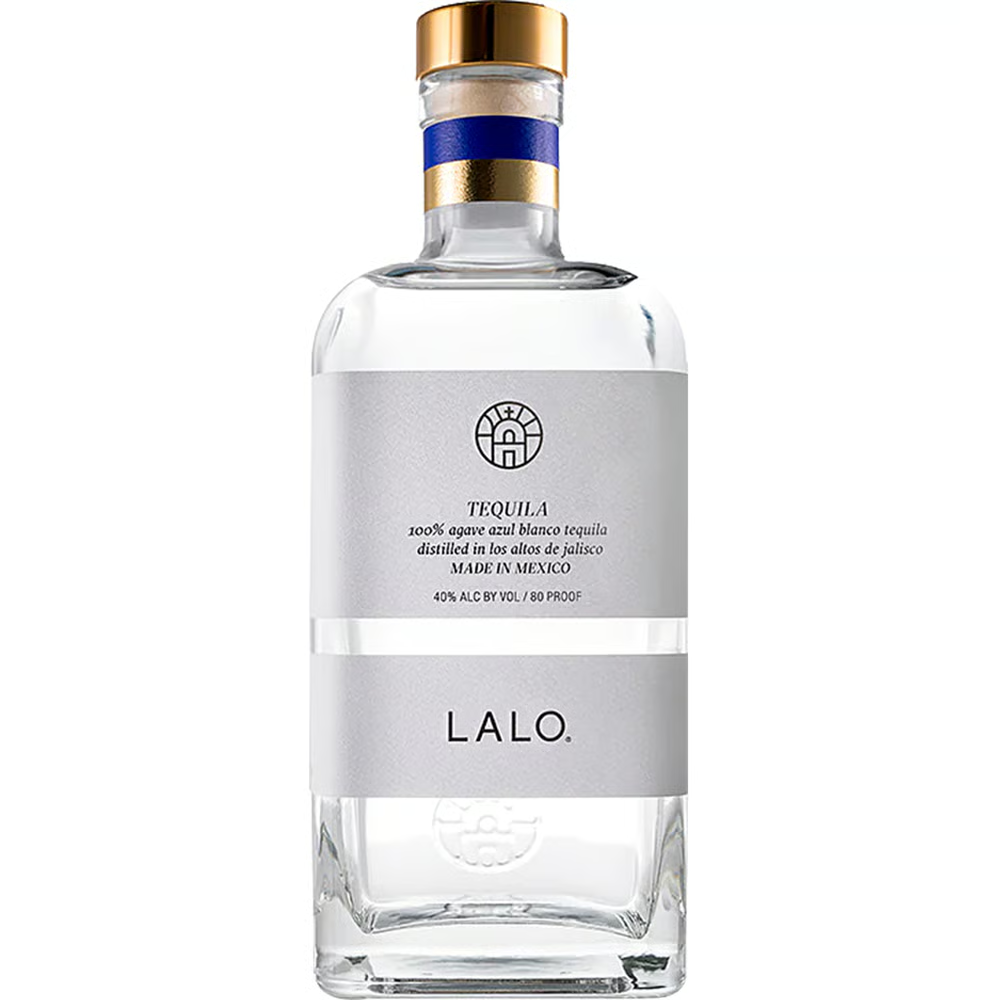
Blanco
- LALO, It’s bright, clean, and incredibly versatile. Perfect for a classic 2:1:1 margarita or when you want something crisp and fresh.
- Tapatio, It feels old-school in the best way. If you want a blanco that stands up in a cocktail but still shines neat, this is it.
- Cascahuin Blanco is for the agave purists and it’s the one I reach for when I want to really taste tequila, not just mix it.
Reposado
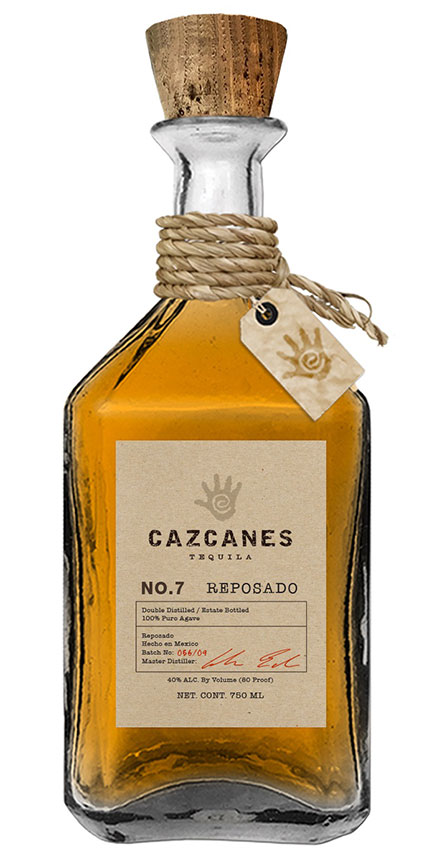
- Cazcanes is smooth, clean, and really easy to love. It’s approachable and great whether you’re sipping it or using it in an elevated margarita.
- El Tequileno is beautifully balanced. It’s the kind of reposado that works in elevated margaritas or sipped on its own with a big cube.
- El Tesoro is a staple for a reason: traditionally made, tahona-crushed, and always agave-forward.
Anejo
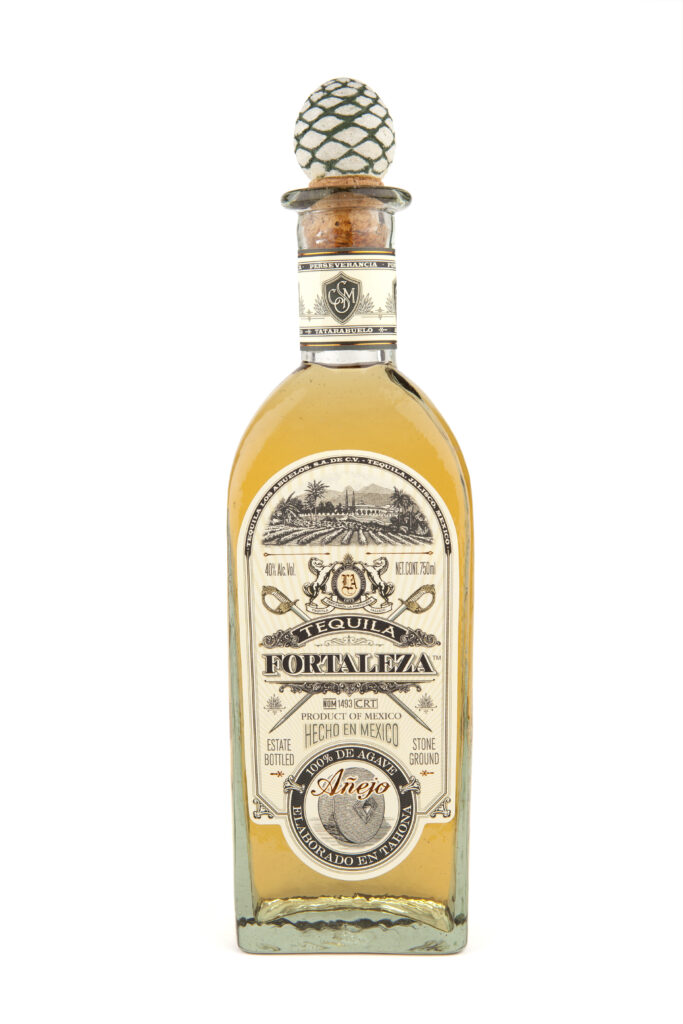
- Fortaleza is layered and complex, but still balanced. This is the bottle you pour when you want to show someone how nuanced tequila can be.
- Tequila Ocho is terroir-driven, meaning each vintage and single estate tells a different story. It’s thoughtful, expressive, and perfect for slow sipping.
- Don Fulano It feels polished and sophisticated, a great gateway for whiskey drinkers who want to explore tequila!
What is Tequila?
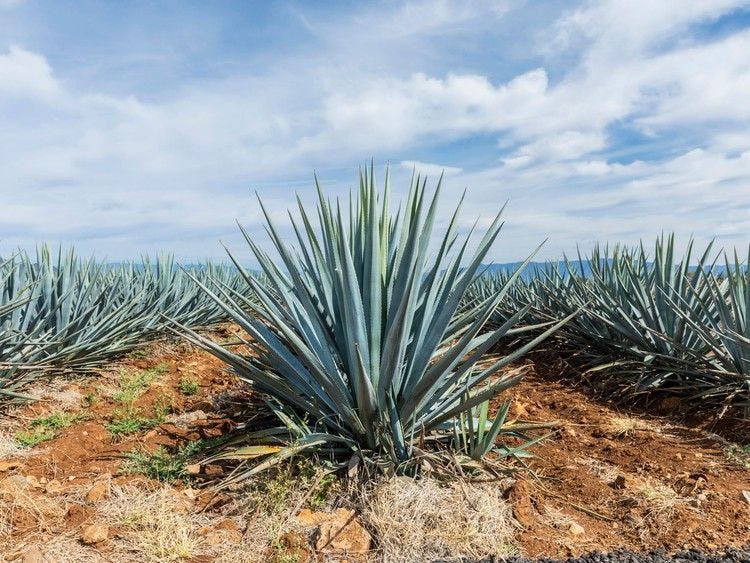
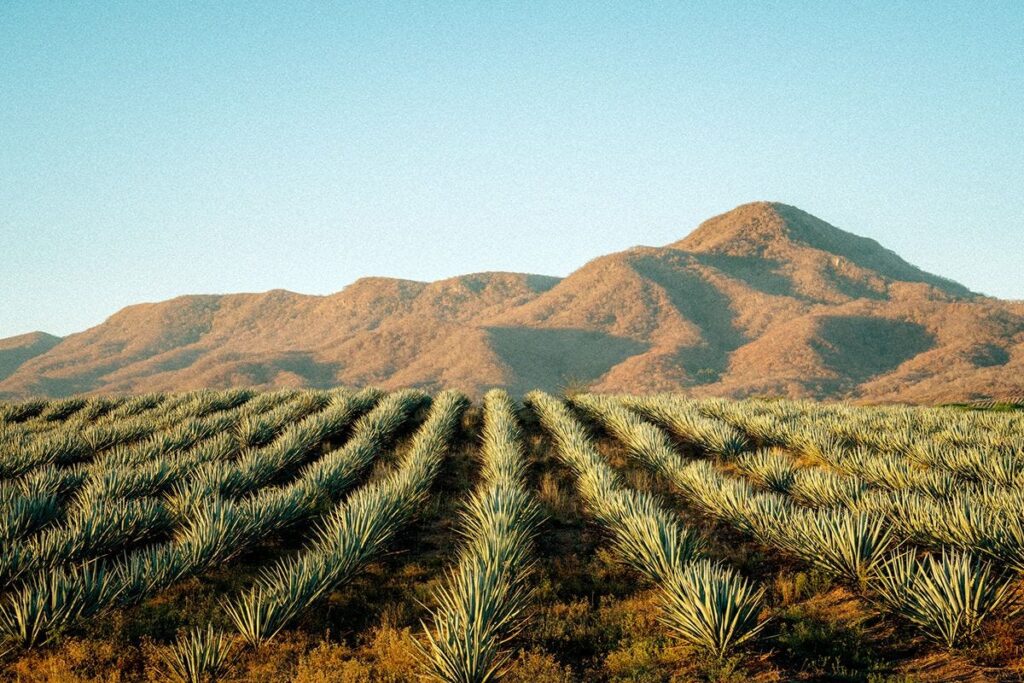
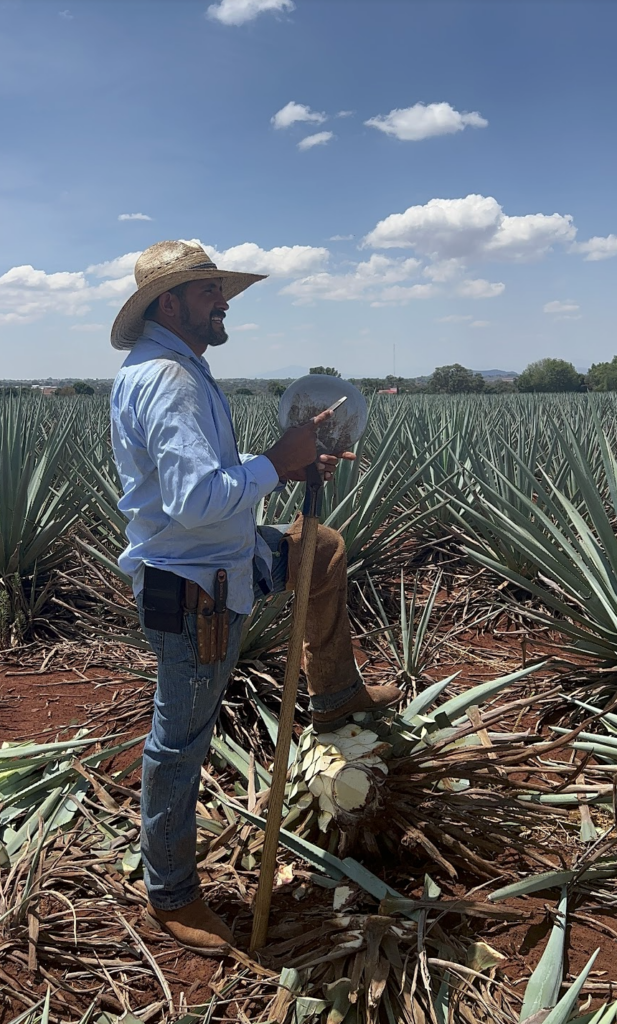
Tequila is a truly magical concoction! Tequila is a distilled spirit made from Blue Weber agave and produced exclusively in specific regions of Mexico, primarily in the state of Jalisco.
Unlike vodka or whiskey, tequila begins with agriculture. It’s closer to wine in that sense. The flavor doesn’t start in a factory; it starts in the field. The soil, the climate, the maturity of the agave… it all shapes what ends up in your glass.
Here’s a fun (and important) fact: to legally be called tequila, it must:
- Be made from Blue Weber agave
- Be produced in designated regions of Mexico
- Follow strict regulations overseen by the Consejo Regulador del Tequila (CRT)
In other words, tequila is a protected designation with real rules, real standards, and real traditions behind it. Which kind of makes you wonder about all those flashy celebrity tequila brands you’ve heard so much about, doesn’t it?
How is Tequila Made?
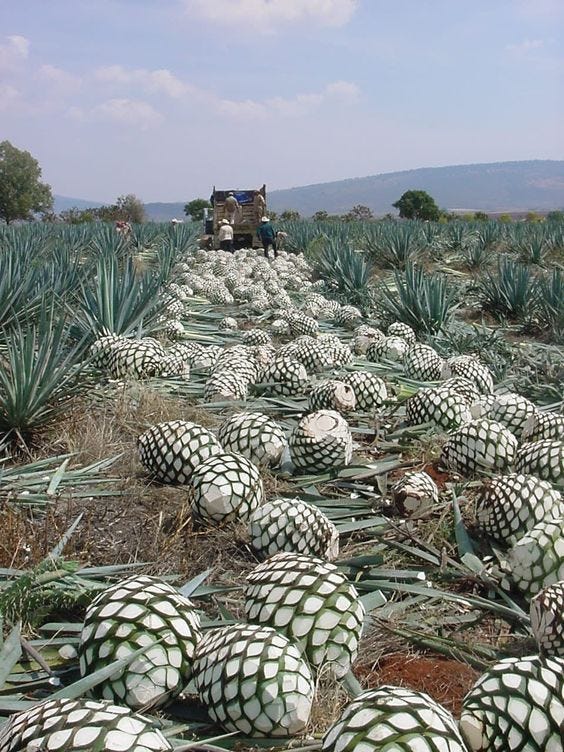
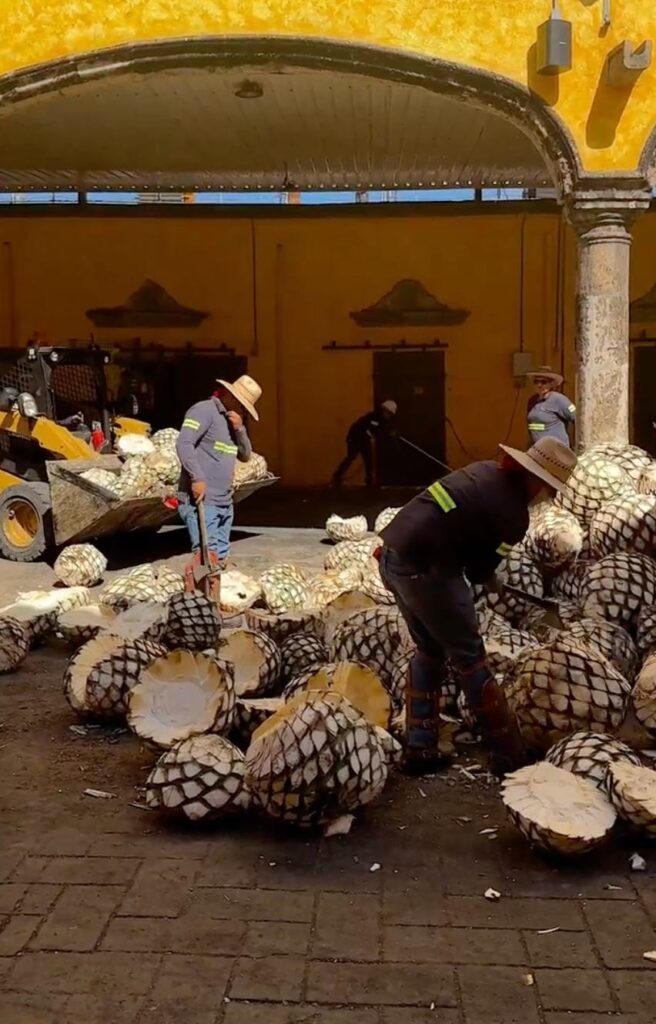
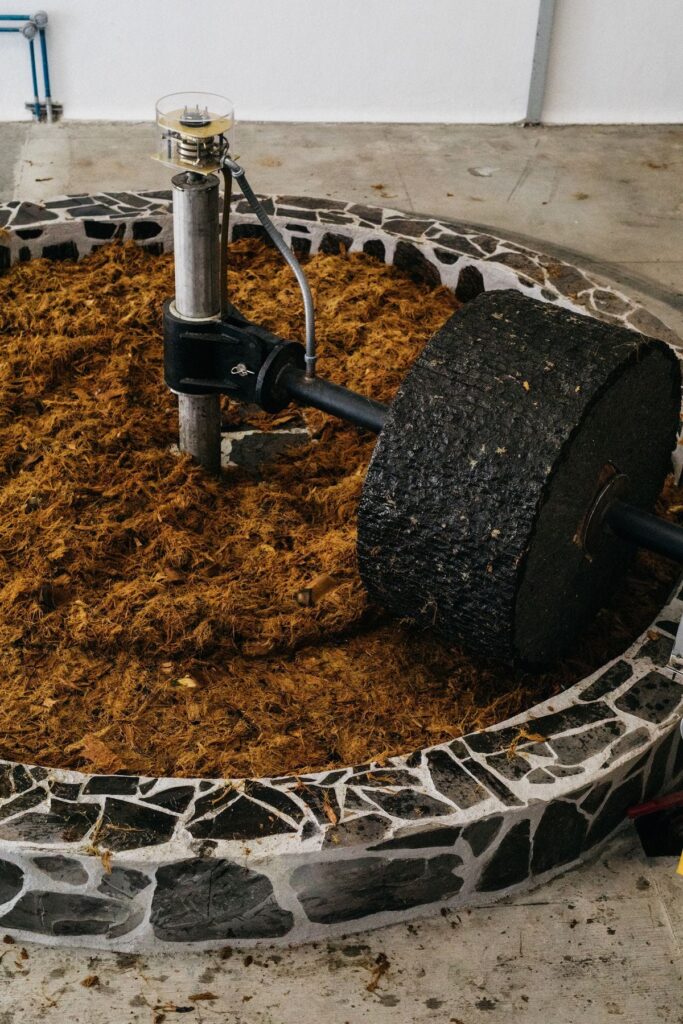
Tequila is a labor of love… and patience.
Step 1: Growing the Agave
Blue Weber agave takes 5 to 8 years (sometimes longer) to mature. Skilled farmers (a.k.a. jimadores) harvest the heart of the plant, the pina, which can weigh 80–200 pounds… so like, these jimadores are really strong.
Step 2: Cooking the Agave
The pinas are processed by being slowly roasted in ovens or steamed in autoclaves to convert starches into fermentable sugars. This is where tequila develops its earthy, sweet, roasted agave flavor.
Step 3: Crushing & Extraction
The cooked agave is crushed to release its juices. A few traditional producers still use a tahona (a large volcanic stone wheel – you’ll see a video example if you keep reading!), while others use roller mills for extraction. The method used can influence texture and flavor.
Step 4: Fermentation
Yeast transforms sugars into alcohol, just like wine or beer. This step subtly shapes aroma and complexity.
Step 5: Distillation
Distilled, usually twice, to refine flavor and increase alcohol content.
Step 6: Aging
Optional, but important. This is where things really start to diverge. Some tequilas are bottled straight from the distillation process. Others rest or age in barrels, developing deeper color and flavor (think vanilla, caramel, oak, and spices). And this aging step? It’s what determines the type of tequila you’re drinking.
Types of Tequila
Tequila is categorized by aging. The length of time it spends resting in barrels determines its style, color, and complexity, from bright and agave-forward to deep and oak-driven.
Blanco (or Silver) Tequila
This is tequila in its purest expression – straight from distillation.
- Aged: Unaged or aged less than 2 months
- Flavor: Bright, crisp, pure agave
- Best for: Margaritas & palomas, and beautiful for sipping if well-made
Reposado Tequila
“Reposado” means rested. The time spent in the barrel softens the edges while still letting the agave shine.
- Aged: 2 to 12 months in barrels
- Flavor: Smoother, with vanilla and light oak notes
- Best for: Sipping or elevated cocktails
Anejo Tequila
This is where tequila starts to convert whiskey drinkers.
- Aged: 1 to 3 years
- Flavor: Rich, smooth, often whiskey-like
- Best for: Sipping neat (& growing some hair on your chest)
Extra Anejo Tequila
Extra anejo tequilas are often compared to fine cognac or whiskey and are meant to be savored slowly.
- Aged: Over 3 years
- Flavor: Deep, complex, luxurious
- Best for: Pure sipping tequila
A Note on Tequila Additives
Even if a bottle says 100% agave, it can legally include small amounts of additives like…
- Sweeteners
- Caramel coloring
- Oak extract
- Glycerin (for texture)
However, additives aren’t automatically bad, and many popular brands use them to create a smoother, sweeter, or more “aged” profile. But if you want tequila that reflects traditional production and pure agave character, look for brands known for additive-free practices.
How to Store Tequila
Tequila likes to live comfortably. Keep it upright, out of direct sunlight, and somewhere cool (around 60 to 65 degrees Fahrenheit). The good news? It won’t spoil like wine, but extreme heat or direct light can mess with the flavor. Basically, don’t store it above your stove and you’re golden.
How to Buy Tequila… The Right Way
Beyond my favorite brands, I want this tequila guide to help you feel confident in finding your own favorites. So let’s talk about how to actually shop for tequila confidently. First, a quick mindset reset: you are fully capable of choosing a great bottle! You now know more than 90% of the people standing in that liquor aisle! Here’s a quick mental checklist:
- Read the label
- Follow the producer
- Check the color
- Buy with intention, not just hype
But tequila is always better when we share knowledge… so I asked a few people I genuinely trust in the agave world to share how they shop, and what they’re actually buying right now. Consider this your insider panel.
Lauren Castano @loveintequila
Lauren is a tequila educator and a longtime agave advocate.
She looks for the four-digit NOM (Norma Oficial Mexicana) to identify the distillery that produces the tequila.
“I like to use this number as a research tool. I use it to find the producer, distillery, which helps me with buying decisions. If I enjoy how a particular producer makes their tequila, I’m much more likely to try anything they produce.”
Lauren’s favorite producers:
- NOM 1123 is home to Cascahuin
- Felipe Camarena (NOM 1579 – El Pandillo) produces G4
- Carlos Camarena produces Tapatio, Tequila Ocho, and El Tesoro
Robert Gerard @the_tequilacollective
Robert founded The Tequila Collective in 2020, which has grown into an impressive educational platform that honors the traditional practice.
“I always check the liquid’s color. An unusual tint on a blanco or a suspiciously dark, rich hue on an aged tequila are among the red flags of additives and artificial coloring.”
Clean production makes better tequila, and ultimately… better margaritas.
Rob’s favorite bottles:
- Partida Reposado
- Tapatio 110 Blanco
- Siete Leguas Blanco
Best Tequila Cocktail Recipes
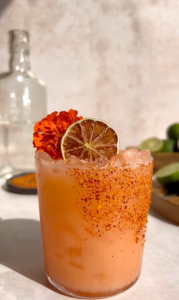
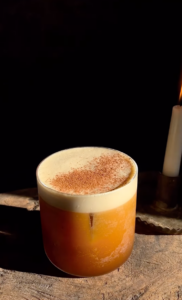
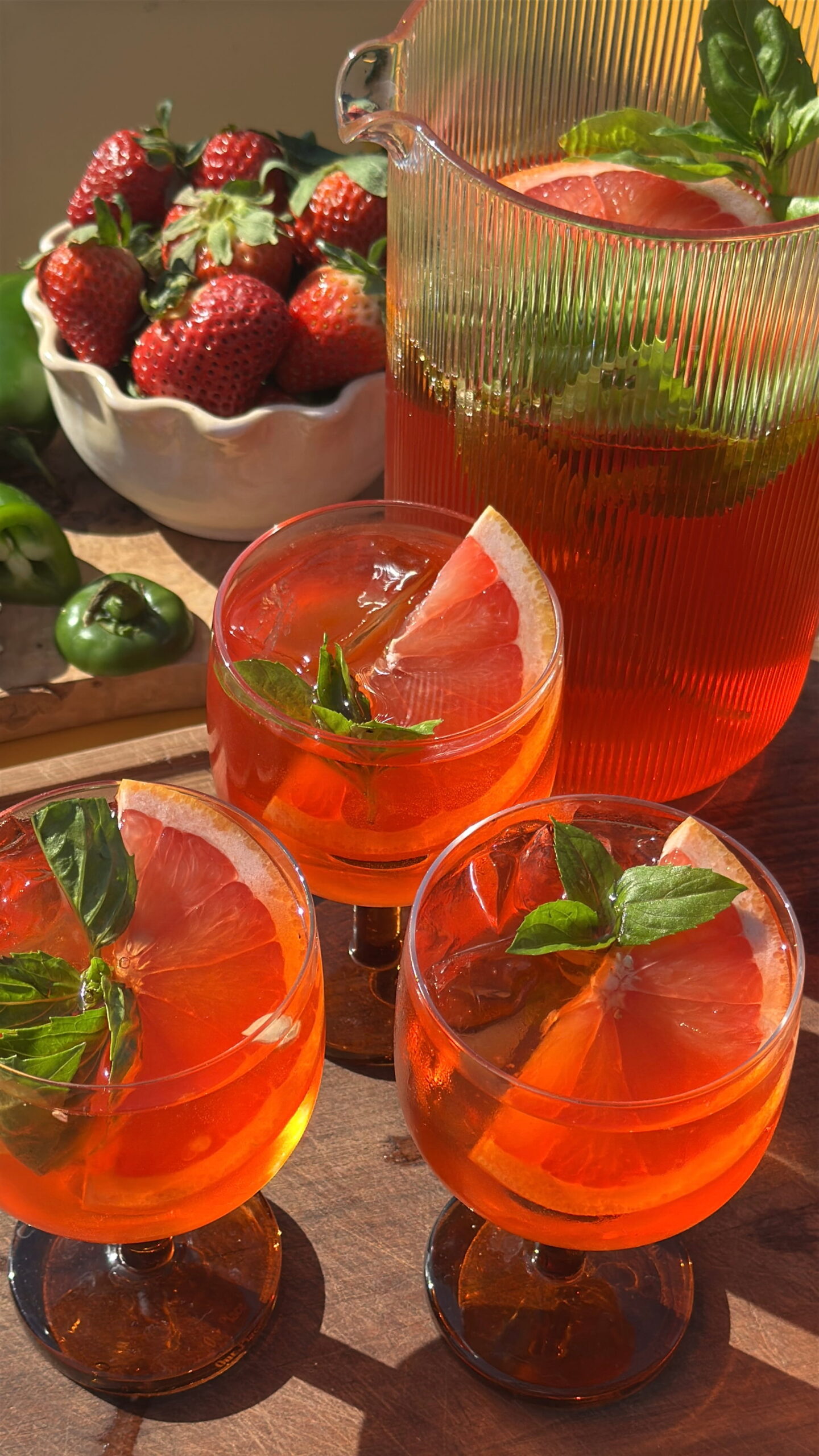
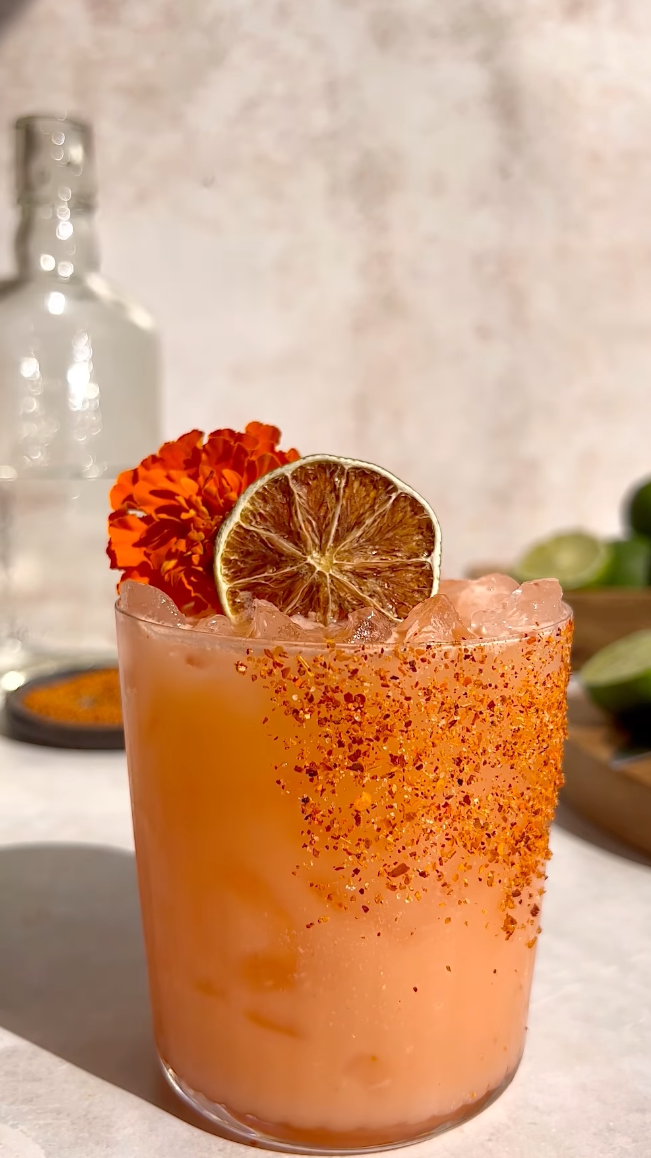
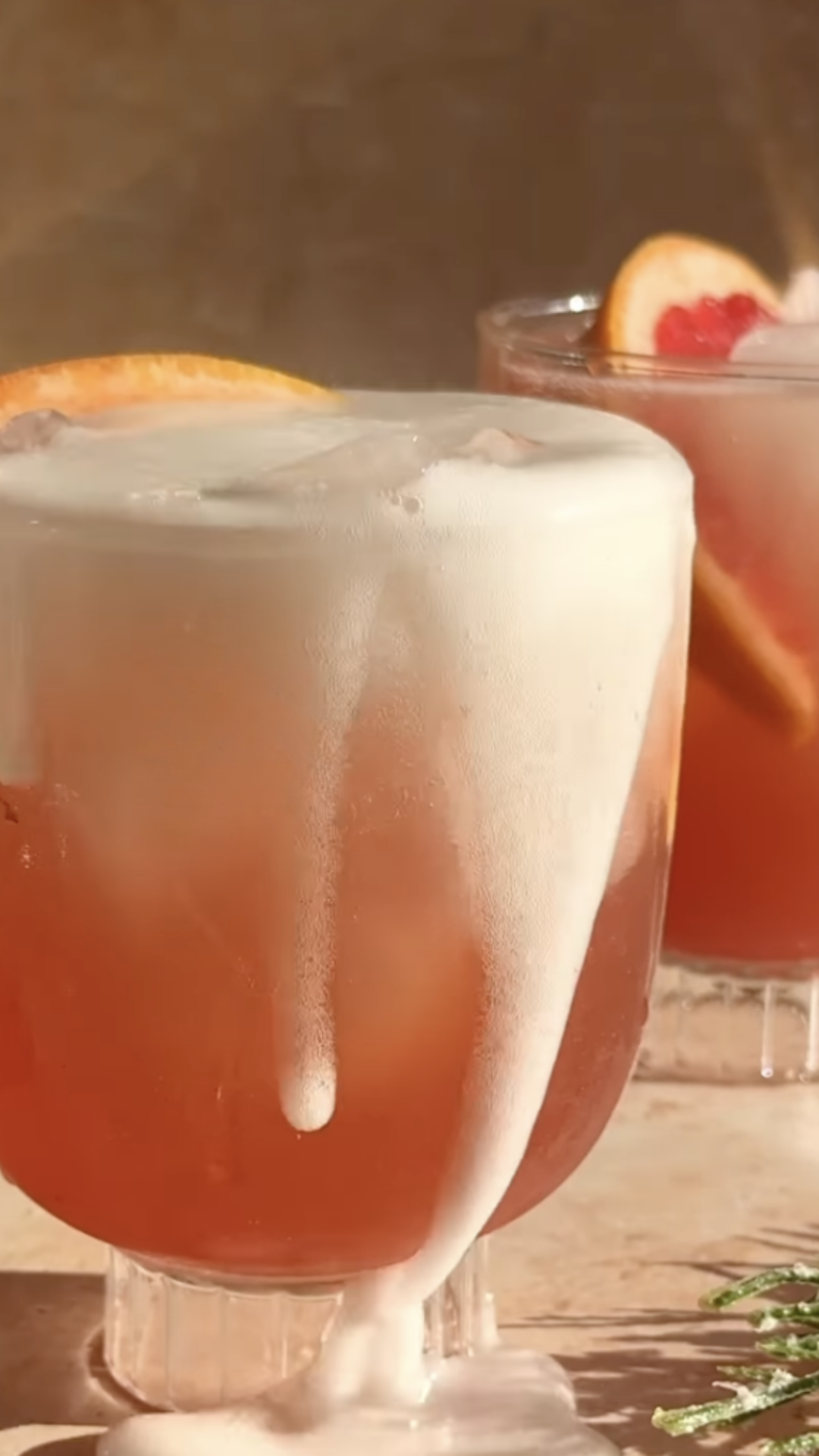
The two most popular classic cocktails made with tequila are margaritas and palomas, but you can definitely get more creative than that! Here are six of my favorite unique tequila cocktails.



You Might Also Like





Leave a comment