







To Foam or Not to Foam
This post may contain affiliate links, please see our privacy policy for details.
Your Guide to Egg White, Aquafaba, Fee Foam and More
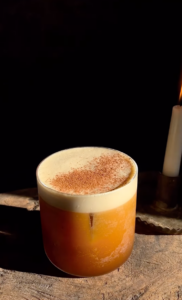
You all know I LOVE a good froth. I measure my happiness truly on whether or not my sour cocktail has a good (what I call) froth top. There’s something about the velvety texture, the balance of flavors… its just chefs kiss! I don’t want you to be scared !!! There are ways to get a frothy cocktail that don’t include an egg okay? Although, I never make mine another way… I won’t judge you for that I promise! But I wrote out a full breakdown of what the differences is, why we love frothy cocktails, how you can shake them up, and then how to use up your egg yolk.
When you sip a perfectly shaken sour and see that silky, cloud-like foam on top, you’re experiencing the magic of a foaming agent. That beautiful layer of foam doesn’t just add visual appeal, it also creates a velvety mouthfeel, balances acidity, and enhances aromas with every sip.
There are a few popular ways to get that coveted cocktail foam, each with its pros, cons, and ideal uses. Whether you’re shaking up something classic like a Whiskey Sour, going plant-based, or looking for a no-fuss option for batching, here’s everything you need to know.

🥚 Egg White: The Timeless Classic
Egg whites have been used in cocktails since the 1800s—and for good reason. They produce the most luxurious foam with a smooth, velvety texture that balances bold flavors and adds volume.
- Texture: Thick, rich, and dense foam
- Taste: Neutral when shaken properly, though very fresh eggs can leave a subtle egg note
- Best For: Whiskey Sour, Clover Club, Pisco Sour, Ramos Gin Fizz
Pros:
- Incredible texture and stability
- Adds body and a creamy mouthfeel
- Enhances presentation
Cons:
- Not suitable for vegan or egg-allergic drinkers
- Requires dry shaking and extra effort
- Should be fresh to avoid any sulfur scent
Batching Egg White Cocktails
Looking to batch your egg white cocktail? It is possible, you just have to create the foam before the party instead of shaking each drink to order. Here’s how:
- Make the full cocktail batch WITHOUT the egg white: Mix the spirits, citrus, and syrups in the pitcher and keep very cold in the fridge until ready to serve.
- Foam separately: In a blender, combine 1 egg white per 4 cocktails + 1 cup of batched cocktail. Blend on high for 10–15 seconds until it gets thick and frothy.
- Fold it back into the pitcher: Pour the foamy mixture into your pitcher and stir in gently. Now the whole batch has “pre-foam.” Egg whites get “activated” by blending with acid. Once it’s whipped into the liquid, it holds foam for hours if kept cold. Science!
NOTE: If you want even more stable foam, add 1/2–1 tsp aquafaba per egg white. This is a secret bartender hack!
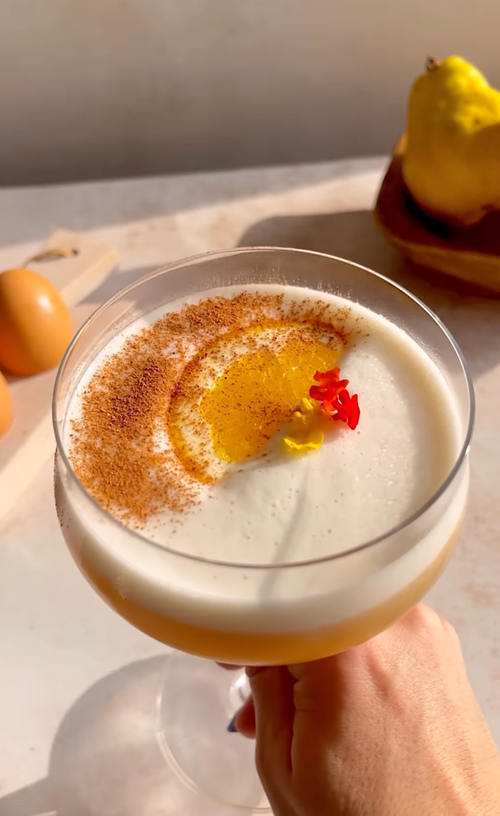
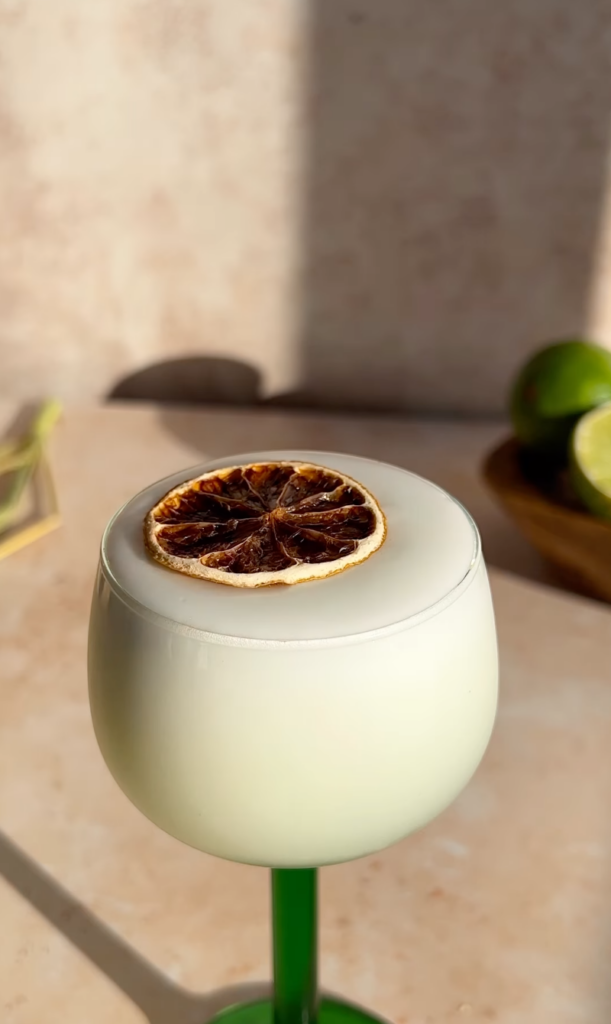
Try these egg white cocktail recipes:

🌱 Aquafaba: The Plant-Based Contender
Aquafaba—aka the liquid from a can of chickpeas—has earned its spot as a go-to vegan egg white substitute. It might sound odd, but it mimics the foaming properties of egg whites surprisingly well.
- Texture: Slightly lighter foam than egg white, but still stable
- Taste: Mild and neutral, especially when masked by citrus or spirits
- Best For: Vegan Sours, Gin Fizz, or any cocktail where texture matters
Pros:
- Vegan and allergen-free
- No risk of raw egg contamination
- Easy to store and batch
Cons:
- Slight bean aroma if not balanced well (I also think the flavor tastes different)
- It can take a bit longer to foam properly
- Sometimes, it’s not as consistently thick as egg white foam
Tips: Use ¾ oz per cocktail. Shake thoroughly, and consider adding a dash of citrus or bitters to help cut any bean-like notes.

Foam Like a Pro
Ingredients
- Egg White: Use 1 full egg white per cocktail
- Aquafaba: Use ¾ ounce (1.5 tablespoons) per cocktail
Instructions
- Add all your cocktail ingredients, including your egg white or aquafaba, into a shaker without ice.Why it matters: Egg whites need friction and air to “whip”, but when you add ice immediately, the ice chills everything too fast and the foam doesn’t form as well. When you dry shake, the egg white, citrus, and booze whip together like a meringue and get fluffy.
- Dry shake for 10-15 seconds.
- Open your shaker, add ice, and shake again until cold (another 10 to 15 seconds).I’ve found if you do a handful of regular ice and 1 large cube, this helps to chill, dilute AND aerate your cocktail for optimal foam.
- Double strain into a chilled coupe or rocks glass. Let the foam settle before adding any garnishes—like bitters, citrus zest, or a touch of dried fruit powder.
🧪 Fee Foam Bitters (or Other Foam Concentrates): The Bartender’s Hack
For ease and consistency, shelf-stable foaming agents like Fee Foam are a modern alternative. Just a few drops provide a thin but stable foam with no prep or waste.
- Texture: Thin, soft foam—not as luscious as egg white
- Taste: Neutral to slightly bitter depending on brand
- Best For: High-volume service, outdoor events, batching
Pros:
- No raw ingredients or mess
- Super easy to use—just a few drops
- Great for travel or batching cocktails
Cons:
- Doesn’t produce the same dramatic foam layer
- Less natural than egg or aquafaba
- Slight chemical taste if overused
Tips: Start with 4–6 drops per cocktail. Adjust based on shake time and your desired look.
🚫 No Foam? No Problem.
Not every cocktail needs a foaming agent. In fact, many drinkers prefer a crisp, clean finish without the creamy texture. Going foam-free keeps the drink lighter, faster, and more spirit-forward.
- Texture: Clear, crisp, no added body
- Taste: Uninterrupted flavors—ideal for spirit lovers
- Best For: Batching, warm-weather drinks, minimalists
Pros:
- Zero prep
- Keeps ingredients simple and clean
- Easier to batch and serve in large groups
Cons:
- No visual or aromatic foam
- Less texture and mouthfeel
Tips: If you’re skipping foam, try using crushed ice or boosting the richness of your syrup to balance the drink.
🟡 Bonus: What to Do with Leftover Egg Yolks
If you’re using fresh egg whites for your cocktails, don’t let those yolks go to waste! Here are some fun (and delicious) ways to use them:
- Make a Rich Custard or Curd: Lemon curd, crème brûlée, or pastry cream are all yolk-based.
- Create a Boozy Zabaglione: Whip egg yolks with sugar and marsala for a dreamy Italian dessert.
- Whip Up a Hollandaise or Aioli: Perfect for brunch pairings with your cocktails!
- Add to Pasta Dough: Homemade pasta is yolky by design.
- Enrich Scrambled Eggs: Add a yolk or two to your regular scrambled eggs for next-level creaminess.
Tip: You can store egg yolks in an airtight container in the fridge with a bit of water over the top (to prevent drying out) for up to two days.
Whether you’re team egg white or aquafaba curious, prefer convenience or go foam-free, there’s no one right answer, just the right choice for your cocktail and your crowd. Try experimenting with different foaming agents side by side to see what you love most.
You Might Also Like



Leave a comment